
On Saturday, June 27, a Flagstaff, AZ Startup Will Attempt Something Never Before Done in Space: Rescue an Aging Scientific Observatory
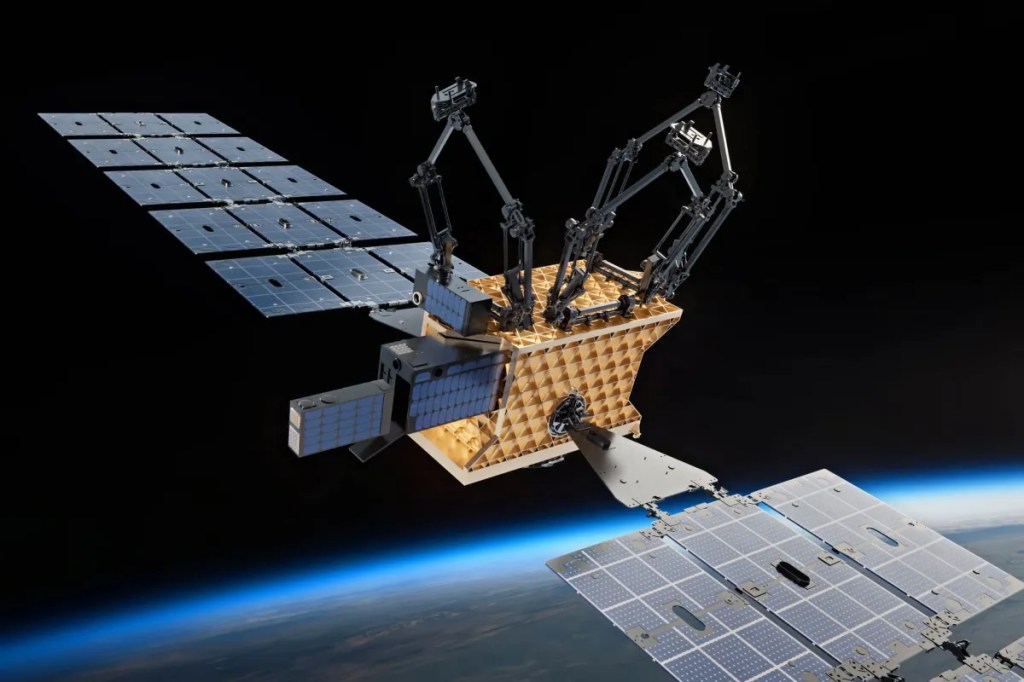
Most of us who spend time under the night sky have watched a satellite drift overhead. Sometimes it’s the International Space Station blazing across the darkness. Other times it’s a dim point of light that most people would never notice. Frankly, it’s one of my fondest memories of growing up in Northern Arizona: laying on the trampoline in our backyard and watching the bright points of light zoom overhead.
What we don’t often think about is that every one of those objects is slowly falling.
That statement sounds strange at first. After all, satellites are supposed to stay in orbit. Yet even hundreds of miles above Earth, there are still traces of our atmosphere. The air is incredibly thin, but it is there. Over months and years, that tiny amount of drag gradually steals energy from orbiting spacecraft. Given enough time, the result is inevitable. The orbit shrinks, the satellite descends, and eventually it reenters Earth’s atmosphere.
For many spacecraft, that outcome is part of the plan.
Today’s satellite operators typically reserve enough fuel to perform a controlled deorbit at the end of a mission. Rather than leaving a dead spacecraft wandering through orbit indefinitely, they can guide it toward a safe reentry, usually over remote stretches of ocean. This helps reduce the amount of long-term debris circling our planet.
Not every spacecraft has that luxury.
Many older satellites were launched during a different era. Their designers were focused on accomplishing a scientific mission, not necessarily on how the spacecraft would be retired twenty years later. Once those satellites run out of fuel or lose critical systems, there may be little that can be done except wait for nature to take its course.
That is where an Arizona company hopes to change the story.
A Big Idea from Northern Arizona
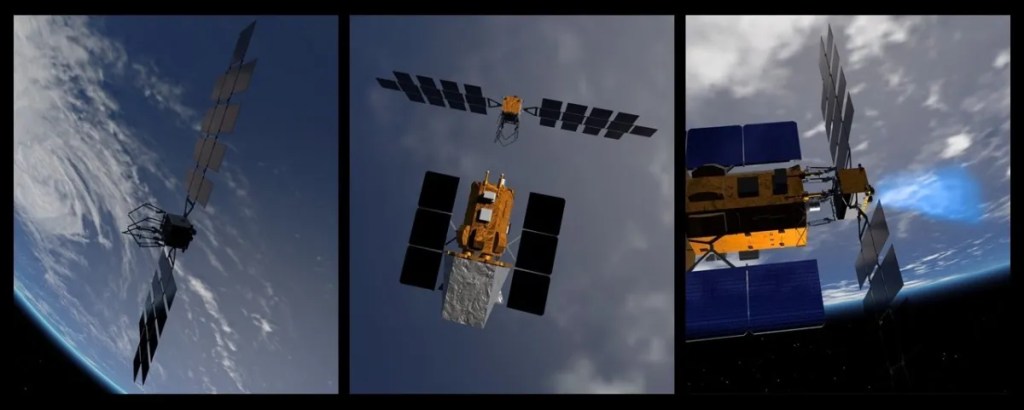
Katalyst Space Technologies was founded in Flagstaff in 2020 with a goal that would have sounded like science fiction not very long ago.
Instead of replacing aging satellites, what if we could service them?
Imagine a roadside assistance vehicle, but operating hundreds of miles above Earth. Rather than changing a tire or delivering gasoline, it could provide propulsion, guidance, or other capabilities that an aging spacecraft no longer possesses.
The company’s proposed mission involves NASA’s Neil Gehrels Swift Observatory, commonly known simply as Swift. Since its launch in 2004, Swift has been one of NASA’s most productive observatories, helping astronomers study gamma-ray bursts and other high-energy events across the universe.
After more than two decades in orbit, however, Swift faces the same challenge as many long-lived spacecraft. Atmospheric drag continues its slow work year after year. Solar activity can make the situation even worse. When the Sun becomes more active, Earth’s upper atmosphere expands slightly, increasing drag on satellites in low Earth orbit.
The process is gradual, but it never really stops.
An Orbital Rescue Mission
Katalyst’s proposed solution is unlike anything that has been attempted before.
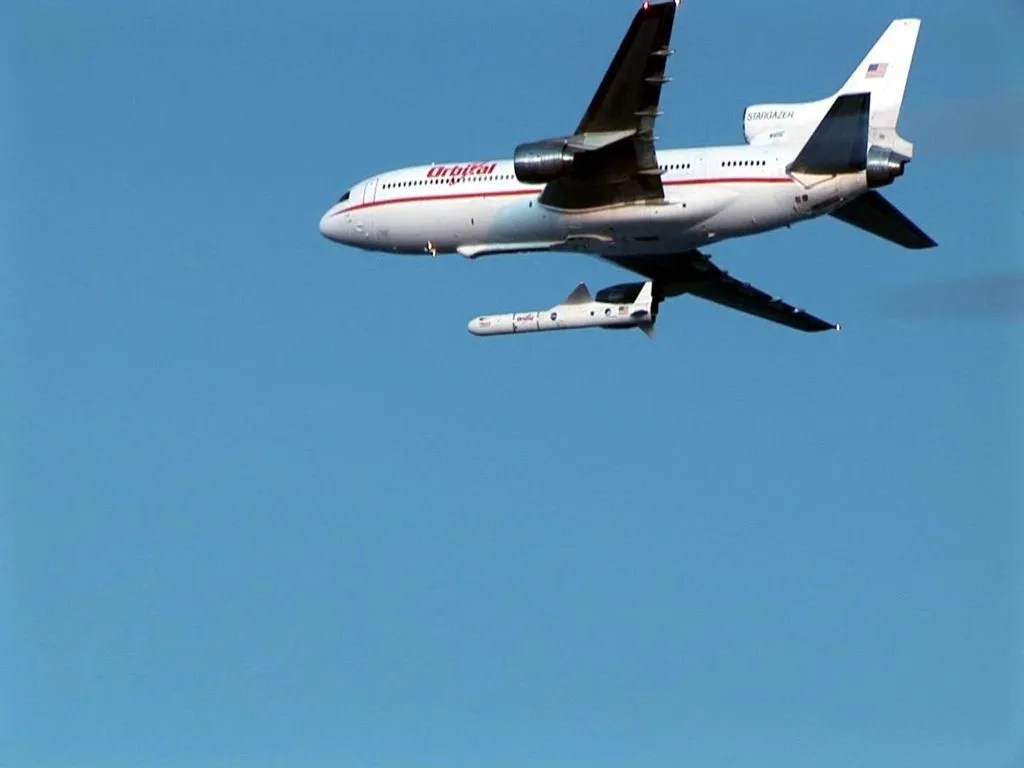
The plan calls for launching a spacecraft known as LINK aboard a Pegasus XL rocket. Pegasus itself is a fascinating piece of aerospace engineering. Instead of launching from a pad on the ground, the rocket is carried beneath an aircraft and released at high altitude before igniting its engines.
Once in orbit, LINK would seek out Swift, rendezvous with it, and attach to the aging observatory.
If everything goes according to plan, the servicing vehicle would then provide the propulsion needed to raise Swift into a higher orbit. In effect, the telescope would receive a new lease on life without ever returning to Earth.
For astronomers, that is exciting enough on its own. Swift continues to produce valuable scientific observations, and extending its mission could provide years of additional research opportunities.
Yet the implications may extend far beyond a single telescope.
Cleaning Up the Neighborhood
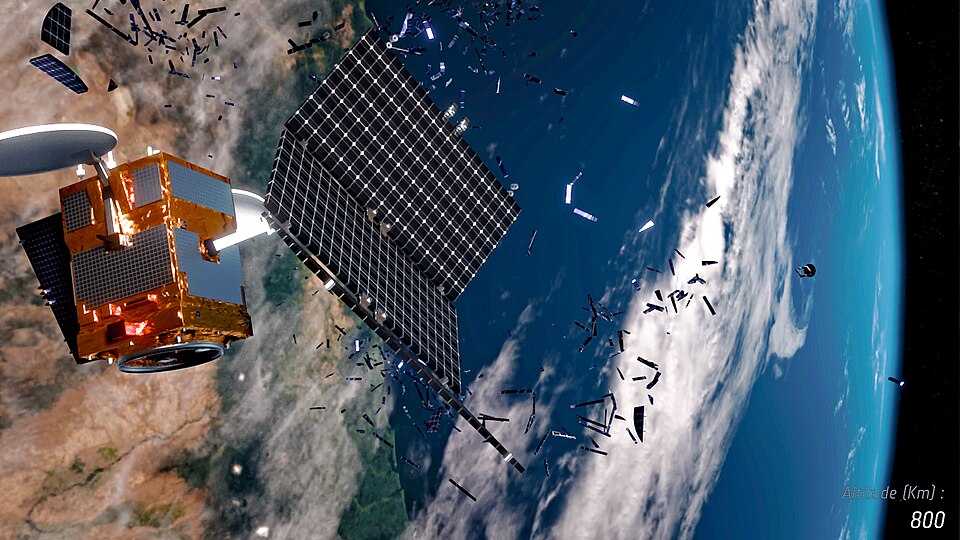
One of the challenges facing the modern space industry is the growing population of objects in orbit.
Some are functioning satellites. Others are spent rocket stages, mission hardware, or spacecraft that have long since completed their work. In lower orbits, atmospheric drag eventually brings many of these objects back down. Depending on altitude, that process may take years or decades.
Higher up, things can remain in orbit much longer.
Every object represents a potential collision hazard. Even a relatively small piece of debris can cause significant damage when traveling at orbital velocities. Because of this, space agencies and commercial operators have devoted increasing attention to orbital sustainability.
Much of that effort focuses on preventing future debris. Another approach may be to actively manage what is already there.
A technology capable of rendezvousing with older spacecraft could potentially do more than extend missions. It might also help stabilize damaged satellites, move defunct objects into safer disposal trajectories, or reduce risks before they become larger problems.
There is still plenty of work ahead before such services become routine. Space has a way of humbling even the best engineering teams. Nevertheless, the idea is compelling.
A Different Future for Satellites
For most of the Space Age, satellites have been treated as disposable machines.
We launch them, use them for as long as possible, and eventually replace them.
That approach made sense when access to orbit was rare and expensive. Today, however, launch costs are falling, satellite technology is advancing rapidly, and the number of spacecraft in orbit continues to grow.
It may be worth asking whether retirement should always be the final chapter.
Aircraft are maintained throughout their operational lives. Ships undergo repairs and upgrades. Even telescopes on Earth receive new instruments and improvements over time. Perhaps some spacecraft could eventually follow a similar path.
That possibility is what makes the proposed Swift mission so interesting.
Success would not simply mean extending the life of a telescope. It could demonstrate a new way of thinking about our presence in orbit. Instead of viewing spacecraft as single-use assets, we might begin to see them as infrastructure that can be maintained, upgraded, and preserved.
For a company that started in Flagstaff, that is an ambitious vision.
As amateur astronomers, we often spend our evenings looking outward toward distant galaxies, nebulae, and planets. Sometimes it is worth remembering that an equally fascinating story is unfolding much closer to home.
A few hundred miles overhead, humanity is learning not only how to reach space, but how to take care of what we leave there.
And if Katalyst succeeds, the future of spaceflight may involve a lot fewer goodbyes, and a lot more stunning images and scientific discoveries, for years to come.
Adam England is the owner of a local financial services firm and moonlights (pun intended) as an amateur astronomer, writer, and interplanetary conquest consultant. Follow him on Instagram @TheBackyardAstronomerAZ and at http://www.Manzanita-Insurance.com http://www.ManzanitaAccounting.com
 The Backyard Astronomer