
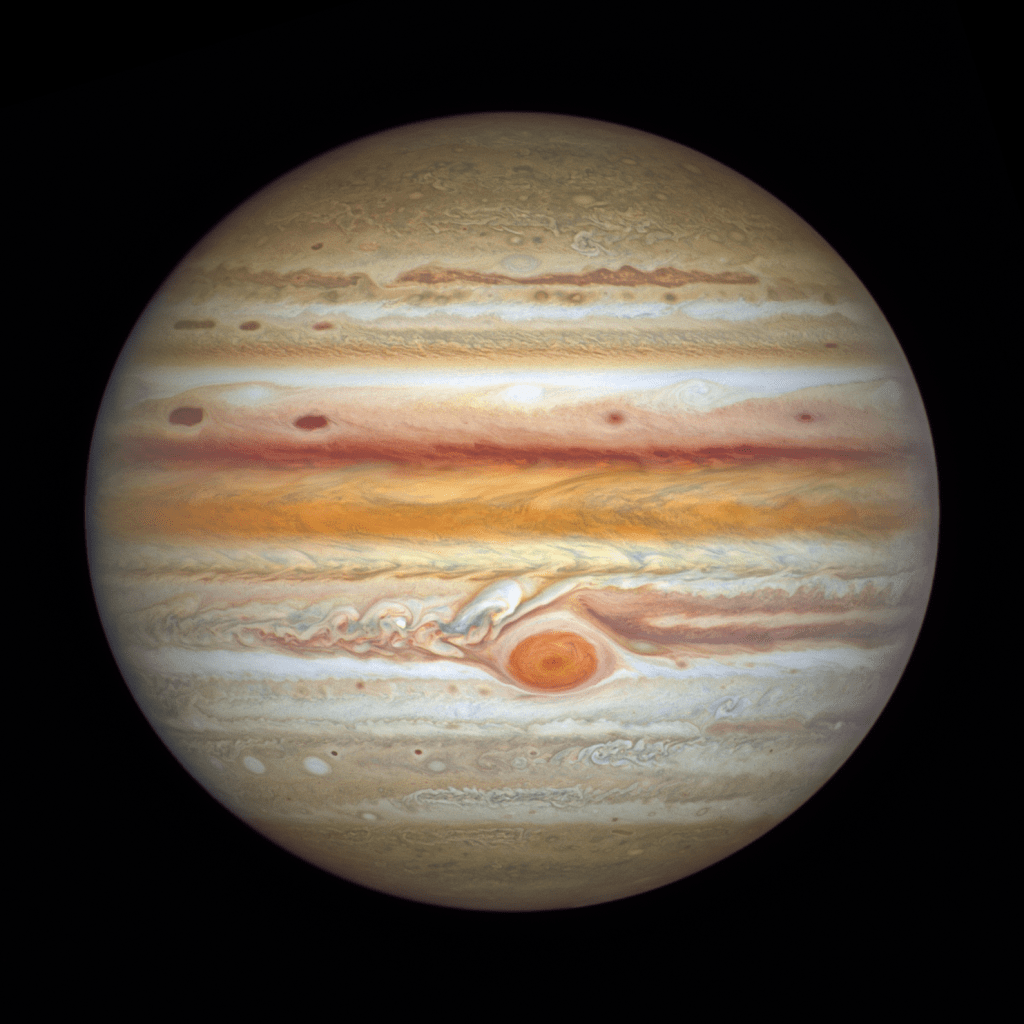
In Roman mythology, Jupiter was king of the gods, ruler of the heavens, and notorious for his wandering eye. His wife Juno knew this all too well. Often depicted beside a peacock whose feathers bore the “eyes” of the hundred-eyed giant Argus, Juno became a symbol of vigilance and watchfulness. For thousands of years, humanity has kept an eye on Jupiter as well—from ancient storytellers to modern spacecraft exploring the giant planet today.

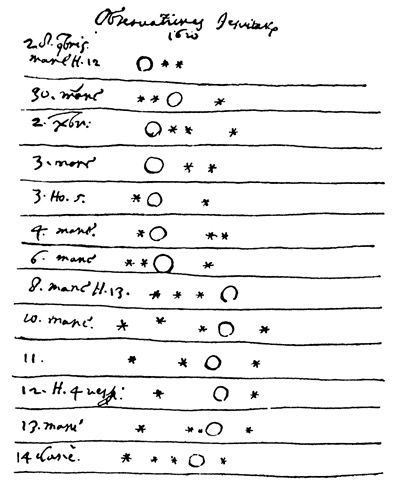
That mythology found its way into astronomy centuries later. When Galileo first observed the four largest moons of Jupiter in 1610, they were eventually named Io, Europa, Ganymede, and Callisto—figures tied to Jupiter’s many romances and exploits in Roman mythology. As additional moons were discovered over the centuries, astronomers largely continued the tradition, naming many of Jupiter’s satellites after mythological companions, lovers, and descendants of the king of the gods.
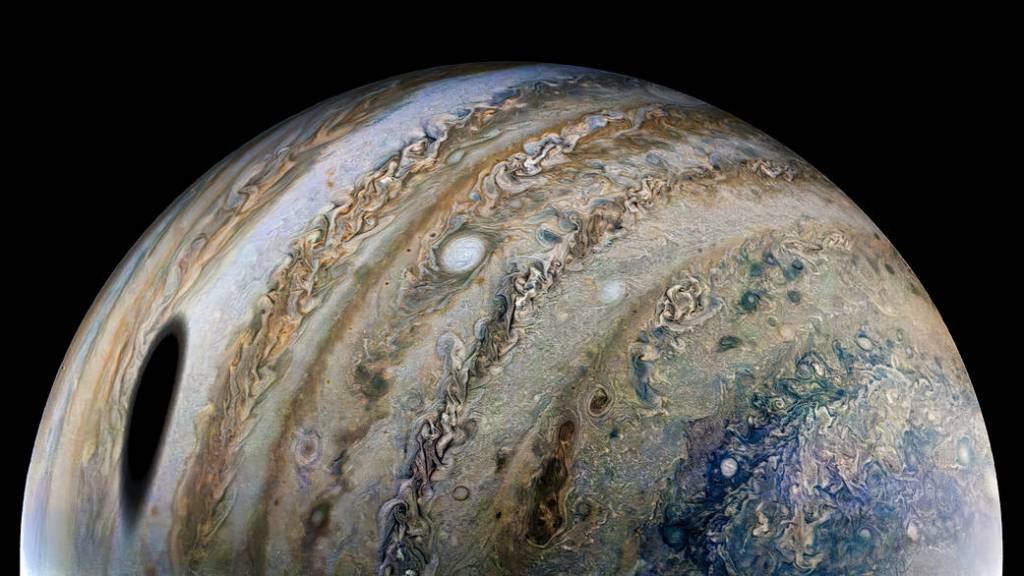
More than four hundred years after Galileo’s discovery, NASA revived the theme with the Juno spacecraft. Launched in 2011 and arriving at Jupiter in 2016, Juno was designed to peer beneath the planet’s swirling cloud tops and study its atmosphere, magnetic field, auroras, and interior structure. Orbiting through one of the harshest radiation environments in the Solar System, the spacecraft continues to send back breathtaking images and scientific discoveries. Even today, Juno still keeps a close eye on Jupiter.
Fortunately, backyard astronomers can do the same this month.
Throughout the month of June, Jupiter will glow low in the western sky shortly after sunset, offering several beautiful conjunctions for evening observers. The most striking occurs on the evenings of June 8th and 9th, when Jupiter and brilliant Venus appear less than one degree apart in the twilight sky. The two brightest planets will create a spectacular pairing visible even before the sky fully darkens. Binoculars should frame both planets comfortably together, while small telescopes may reveal Jupiter’s four Galilean moons alongside the dazzling crescent phase of Venus.
The show continues on June 16th, when a thin crescent Moon joins the scene low in the western sky. The pairing should make for an excellent photo opportunity shortly after sunset, especially with foreground scenery or desert landscapes silhouetted beneath the planets.
By June 24th, elusive Mercury joins the gathering as it approaches Jupiter near the horizon. Observers with a clear western view and steady skies may be able to spot all three planets during evening twilight.
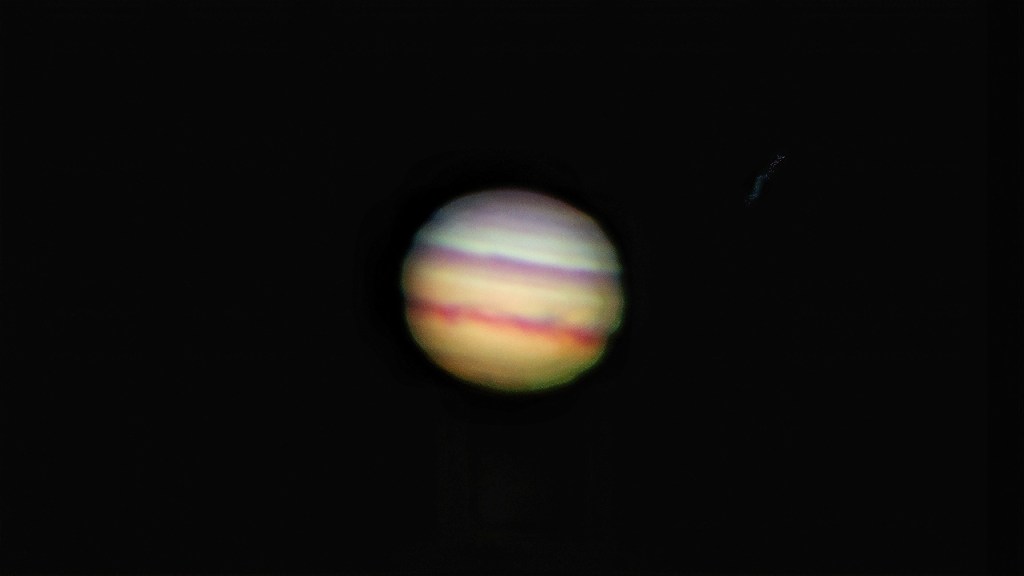
While Jupiter will sit relatively low for Northern Hemisphere observers this month, even modest backyard telescopes can still reveal its cloud bands and ever-changing family of moons. One of the great joys of observing Jupiter is watching those moons shift position from night to night. Sometimes they line up neatly beside the planet. Other evenings one or more may disappear behind Jupiter or pass in front of its disk, casting tiny shadows onto the giant world below.
For centuries, humans have watched Jupiter wander across the heavens, weaving mythology, science, and exploration together in its wake. This June, as Venus, Mercury, the Moon, and Jupiter gather in the twilight, take a moment to keep an eye on the king of planets yourself.
Clear skies and happy viewing.
Adam England is the owner of a local financial services firm and moonlights as an amateur astronomer, writer, and interplanetary conquest consultant. Follow him on Instagram @TheBackyardAstronomerAZ and at www.ManzanitaInsuranceAndAccounting.com
 The Backyard Astronomer