
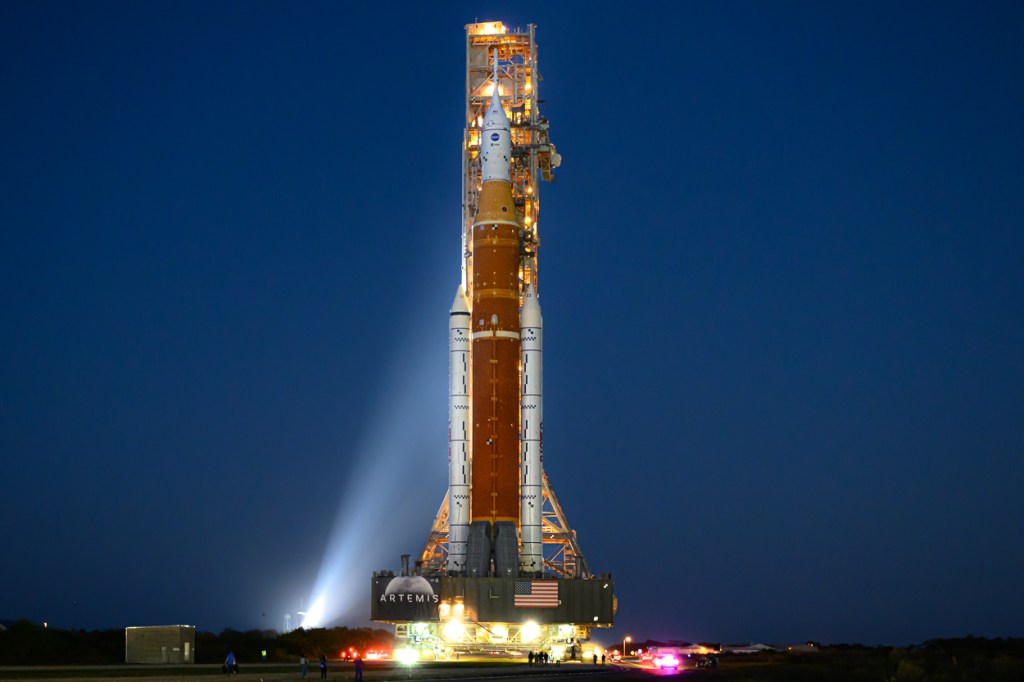
During preparations for the Artemis II mission, engineers conducting a wet dress rehearsal encountered a familiar adversary: a hydrogen leak.
The core stage of NASA’s Space Launch System is fueled by liquid hydrogen and liquid oxygen, super-cooled to hundreds of degrees below zero. The plumbing is intricate, the seals precise, and the engineering represents decades of refinement. And yet, hydrogen has a way of slipping through.
Hydrogen atoms are the smallest in the universe — just one proton orbited by a single electron. When paired into H₂ molecules, they are still far smaller than oxygen or nitrogen, the primary components of the air we breathe. They can escape through microscopic imperfections in seals that would easily contain larger molecules. What appears airtight to us is, to hydrogen, full of open doors.
It’s a reminder that even our most powerful rockets are built to harness the simplest element in existence.
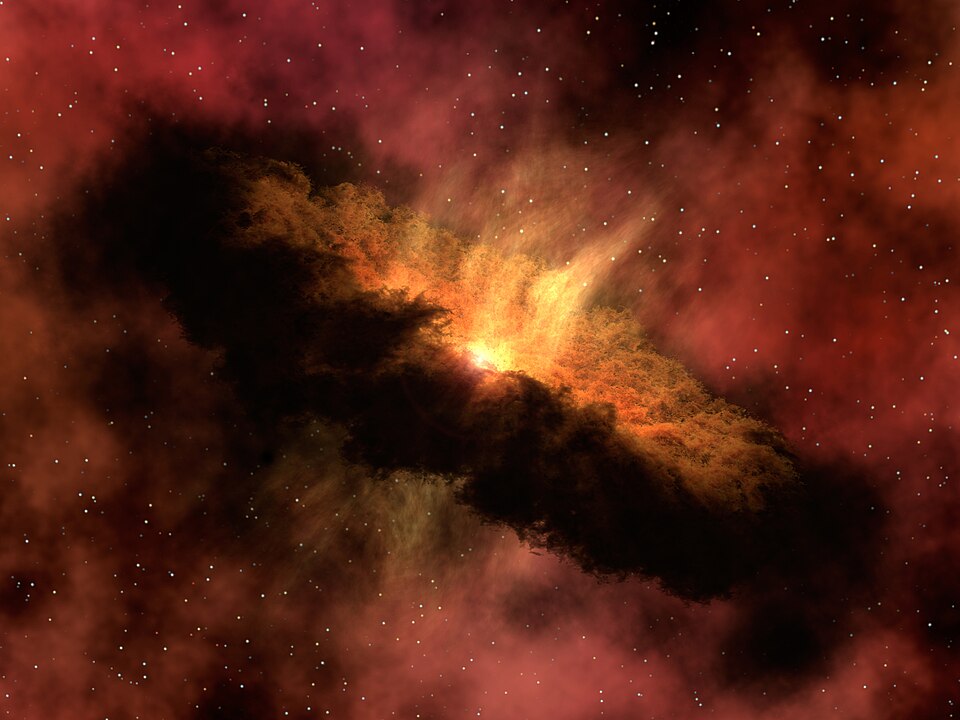
Hydrogen is element number one on the periodic table. It was the first element to form after the Big Bang, emerging within minutes of the universe’s birth. Before there were stars, galaxies, and planets — there was hydrogen.
Today, it still makes up roughly three-quarters of the normal matter in the cosmos.
Gravity gathers vast clouds of hydrogen gas into enormous nebulae. Over millions of years, those clouds collapse under their own weight. Pressure builds. Temperatures climb. And eventually, deep within a forming star, hydrogen nuclei begin to fuse into helium.
That fusion releases extraordinary energy.
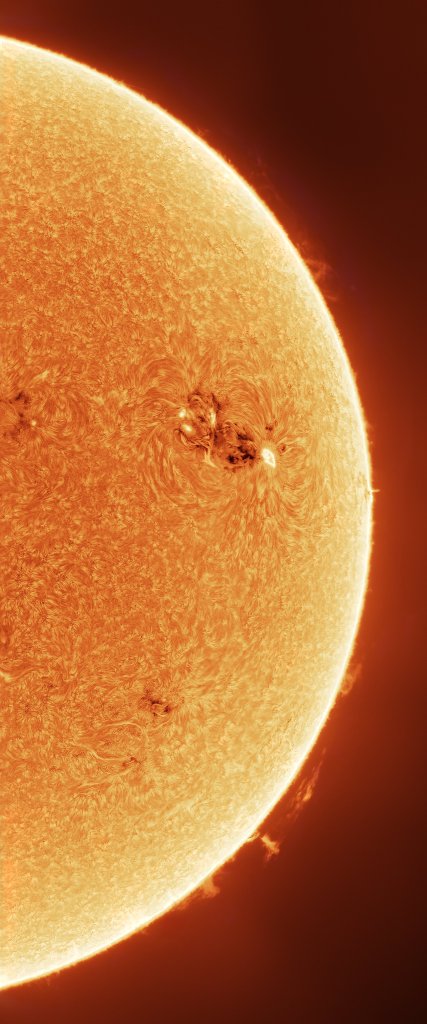
Our own Sun converts roughly 600 million tons of hydrogen into helium every second. A small fraction of that mass becomes energy — the sunlight that warms your skin, drives our weather, and sustains life on Earth. Every sunrise is powered by hydrogen forged in the first moments of time.
And when stars exhaust their hydrogen fuel, they change. Some swell into red giants. The most massive explode as supernovae. Others quietly shed their outer layers. But the story always begins the same way: hydrogen pulled together by gravity, fusing under pressure.
That same element fuels our journeys outward.
Liquid hydrogen, combined with liquid oxygen, powered the upper stages of the Saturn V rockets that carried Apollo astronauts to the Moon. It fueled the Space Shuttle’s main engines. Today, it powers the Space Launch System — the rocket preparing to return humans to lunar orbit. Hydrogen offers exceptional efficiency, producing high specific impulse and clean exhaust: mostly water vapor.
But it demands respect. Stored at minus 423 degrees Fahrenheit, it must be handled with extreme care. It seeps, it boils, it expands. It reminds us that the most abundant element in the universe is also the lightest — and among the most challenging to tame.
Yet for backyard astronomers, hydrogen is not something confined to launch pads and fuel lines. It is visible in the night sky.
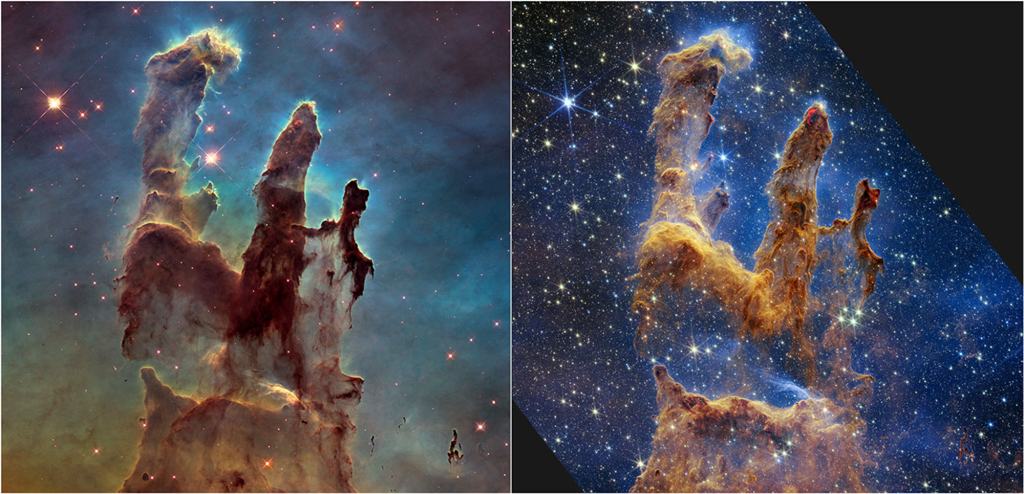
When you look at the Orion Nebula through a telescope, you are seeing vast clouds of glowing hydrogen. The pink and red hues captured in long-exposure photographs come primarily from hydrogen-alpha emission, a specific wavelength of light released when electrons in hydrogen atoms drop to lower energy levels. The Rosette Nebula, the North America Nebula, the Lagoon — these are all immense hydrogen clouds, nurseries where new stars are being born.
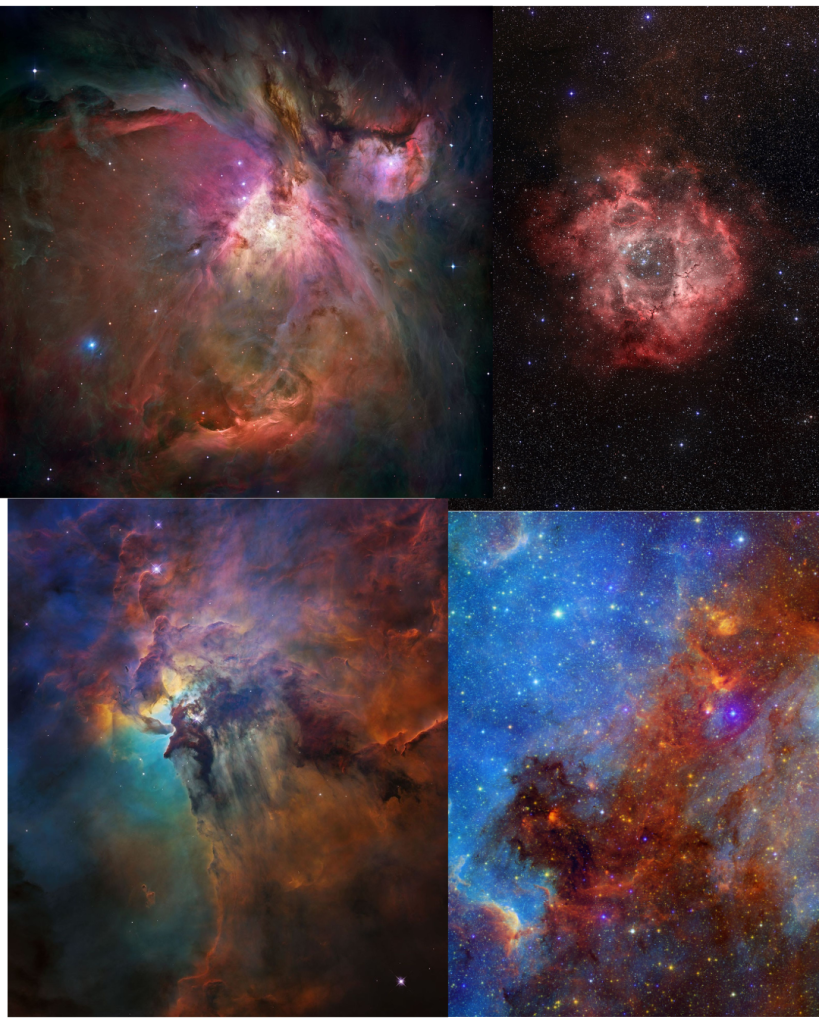
To the eye at the eyepiece, they often appear gray or faintly greenish. Our night vision simply isn’t sensitive to deep red. But the light is there, traveling hundreds or thousands of light-years to reach your telescope. With a hydrogen-alpha filter, even modest backyard setups can isolate this signature glow, revealing structure and contrast otherwise invisible.
When you observe these nebulae, you are witnessing hydrogen in the act of becoming something more.
The same element that challenges engineers on the launch pad fuels the stars above your head. The same atom that slips through seals in a rocket engine composes the glowing clouds stretching across the Milky Way. The smallest atom in existence shapes the largest structures in the universe.
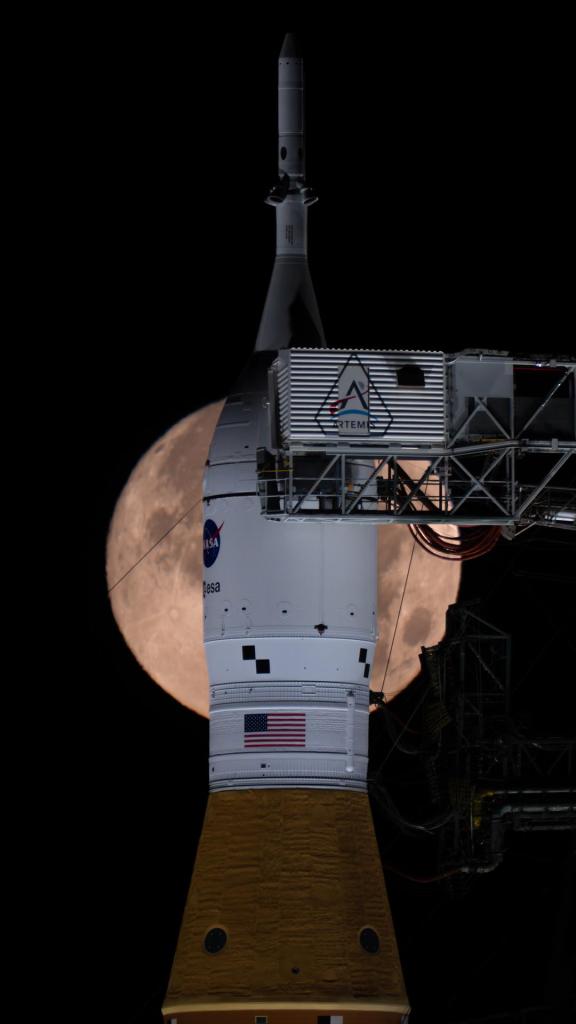
From leaks to light, from fuel tanks to fusion cores, hydrogen connects our exploration of space with the cosmos itself.
So the next clear March evening, turn your telescope toward Orion. Look into that faint luminous cloud. Remember that before Earth, before the Sun, before humans built rockets — there was hydrogen.
Element One.
Clear skies, and happy viewing.
Adam England is the owner of a local financial services firm and moonlights as an amateur astronomer, writer, and interplanetary conquest consultant. Follow him on Instagram @TheBackyardAstronomerAZ and at http://www.ManzanitaInsuranceAndAccounting.com
 The Backyard Astronomer