
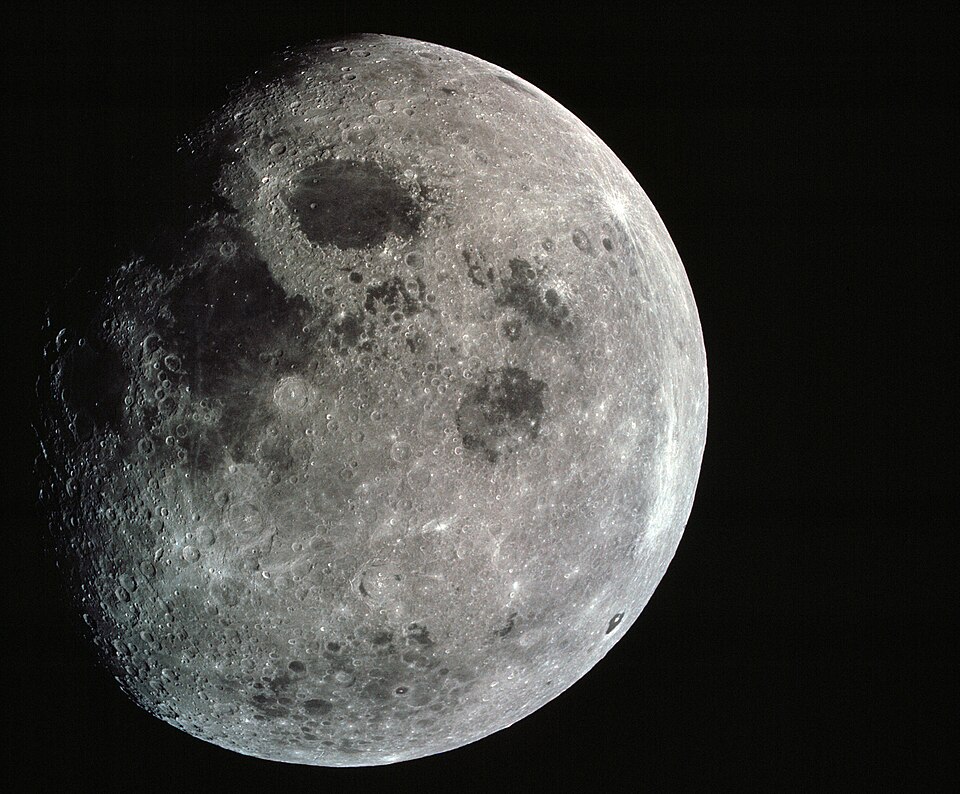
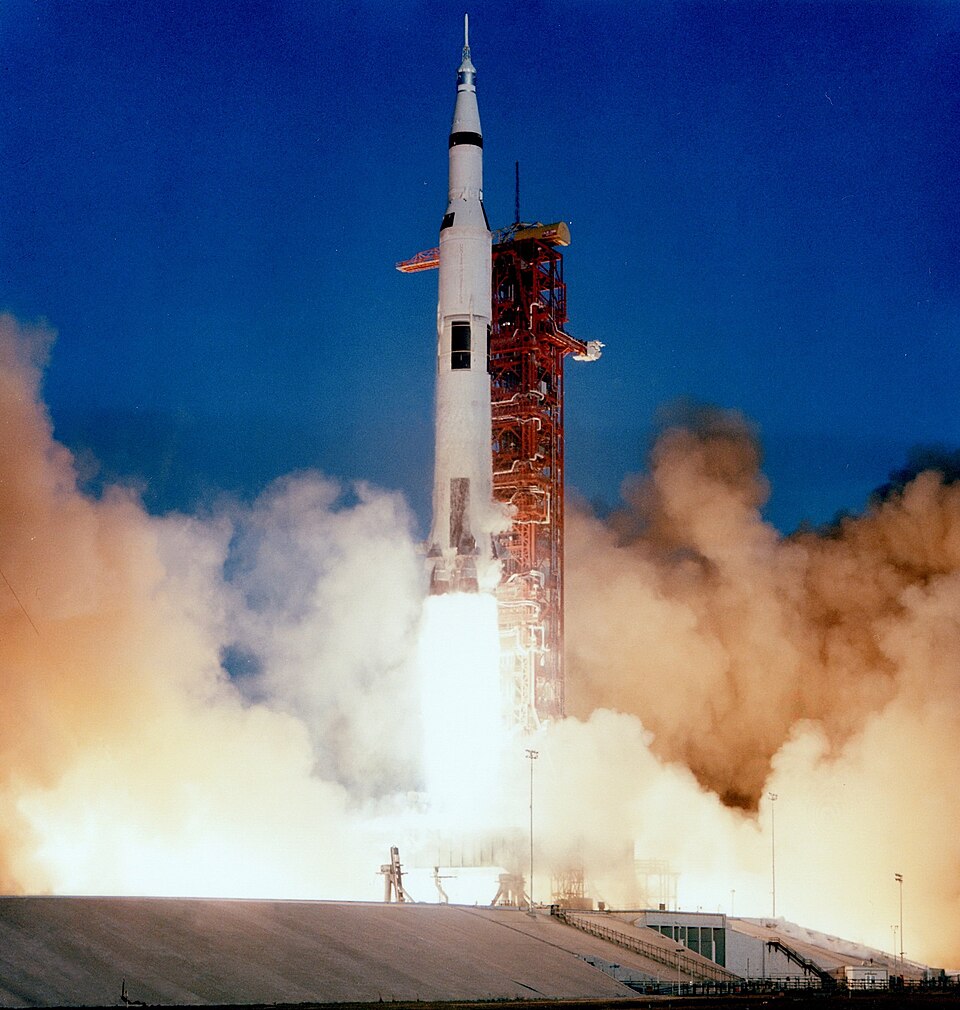
Outside of space enthusiasts, Apollo 8 is an almost forgotten mission. On December 21, 1968, three astronauts launched aboard a Saturn V rocket from Florida’s Kennedy Space Center. Just 68 hours later, Frank Borman, Jim Lovell, and William Anders became the first humans to orbit the Moon. A mere eleven years after the launch of Sputnik—the first artificial satellite—and humanity was already preparing to set foot on another world.
That historic step, however, would come seven months later. The systems required to land on the Moon were still being built and tested. Apollo 8’s mission was instead one of proof: to validate the Command and Service Module, perform lunar orbital maneuvers, scout potential landing sites, demonstrate navigation and communications systems, and—most importantly—confirm that humans could travel to the Moon and return safely to Earth.
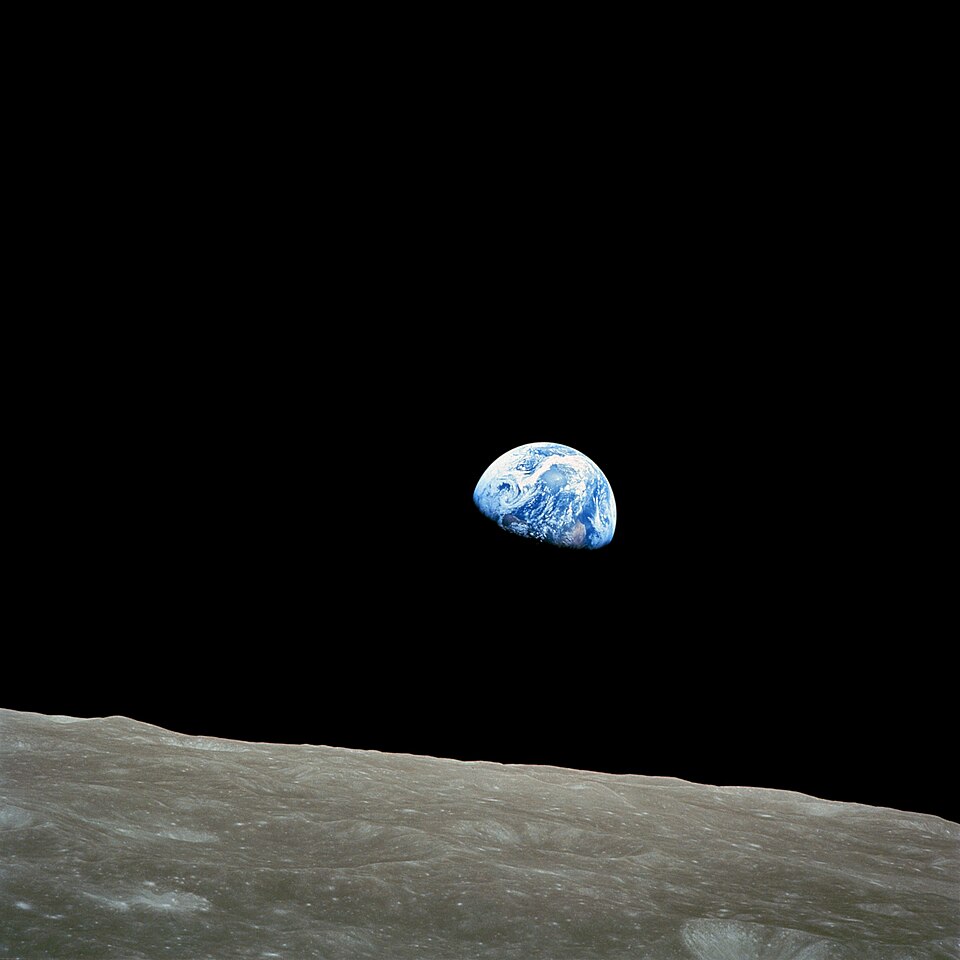
These three men were the first to leave Earth orbit, the first to see the Moon’s far side with human eyes during ten lunar orbits, and the first to witness an Earthrise—an image forever immortalized by Lunar Module Pilot William Anders.
You may recognize the name Jim Lovell. Portrayed by Tom Hanks in the 1995 film Apollo 13, Lovell would later command that ill-fated mission and become the first human to travel to the Moon twice—though, like Apollo 8, his journeys would remain in orbit.
Apollo 17, launched in December 1972, marked the last time humans traveled to the Moon. Three planned missions were canceled, and the remaining Saturn V rockets were placed in museums across the country. Fifty-four years later, humanity has yet to venture beyond low-Earth orbit.
That is—until now.
With launch windows opening as early as Friday, February 6, 2026 will see humans once again orbit the Moon. Three American astronauts and one Canadian Space Agency (CSA) astronaut will strap themselves atop NASA’s Space Launch System (SLS) rocket and embark on a ten-day journey around the Moon and back aboard the Orion spacecraft.
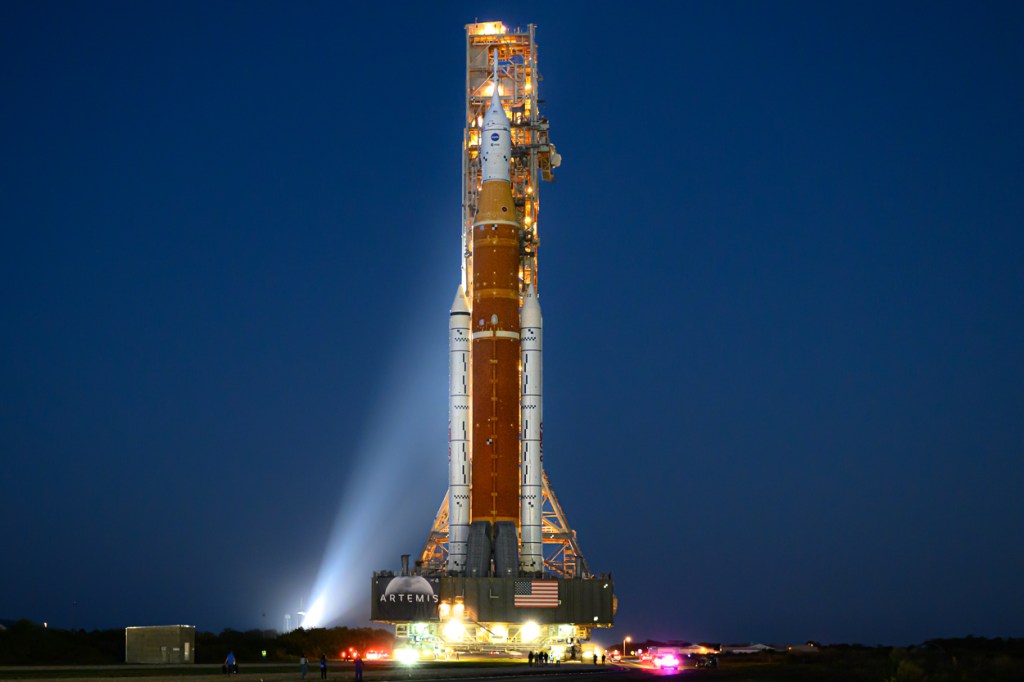
While both the rocket and capsule have flown uncrewed test missions, this flight is historic in many ways:
• The first crewed mission of SLS and Orion
• The farthest humans have ever traveled from Earth—about 8,400 miles farther than Apollo 13
• CSA astronaut Jeremy Hansen becoming the first non-American to orbit the Moon
• Christina Koch becoming the first woman to travel to lunar orbit
• Victor Glover becoming the first person of color to journey to the Moon
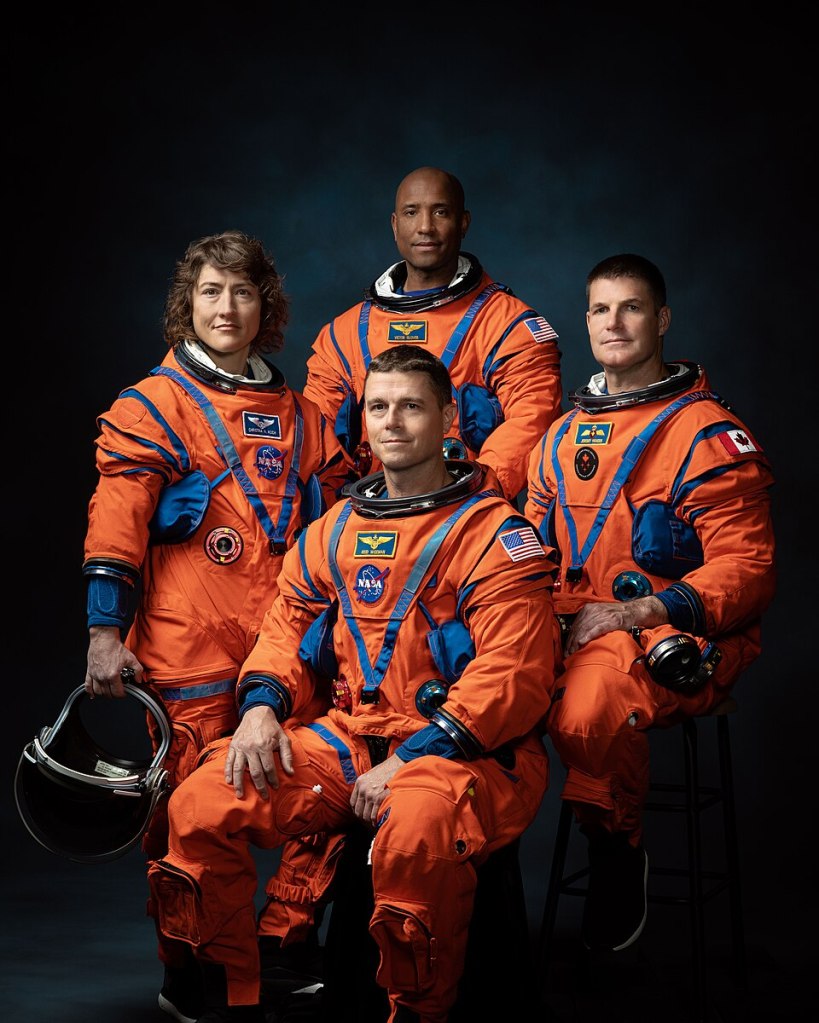
Launch preparations began in late January, with a series of launch windows opening between February 6 and February 11. Coming shortly after NASA’s annual Week of Remembrance—honoring the crews of Apollo 1, Challenger, and Columbia—this mission underscores a truth that has always accompanied exploration: progress demands courage.
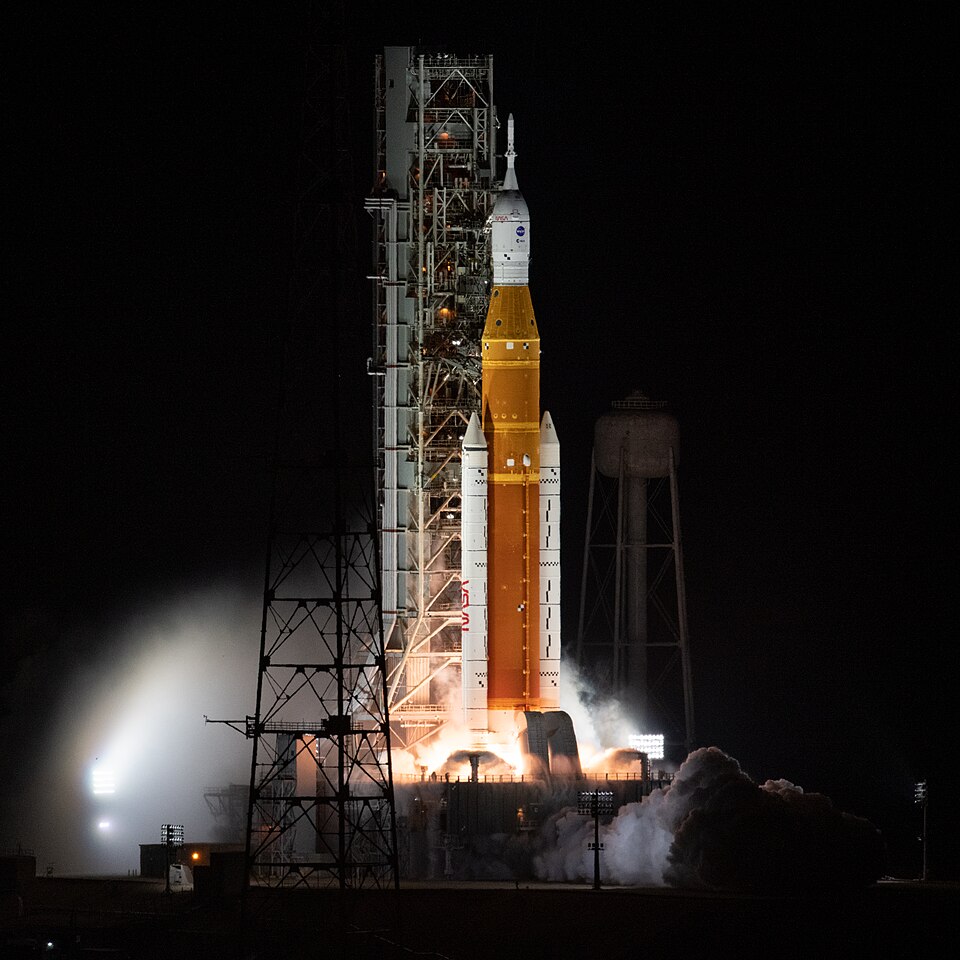
Rigorous training, modern engineering, and layers of redundancy stand guard over today’s astronauts. Still, exploration has never been without risk. As President John F. Kennedy reminded the world in 1962, “We choose to go to the Moon…and do the other things, not because they are easy, but because they are hard.”
This February, humanity once again accepts that challenge.
Wishing these explorers godspeed.
 The Backyard Astronomer