
The new year kicks off with cosmic fireworks as the Quadrantid Meteor Shower peaks in the early morning hours of January 3rd. Believed to originate from debris left behind by a long-lost comet noted by Asian astronomers more than 500 years ago, this short-lived but powerful shower radiates from the now-defunct constellation Quadrans Muralis. French astronomer Jérôme Lalande introduced the constellation in 1795, naming it after the instrument he used to chart the heavens.
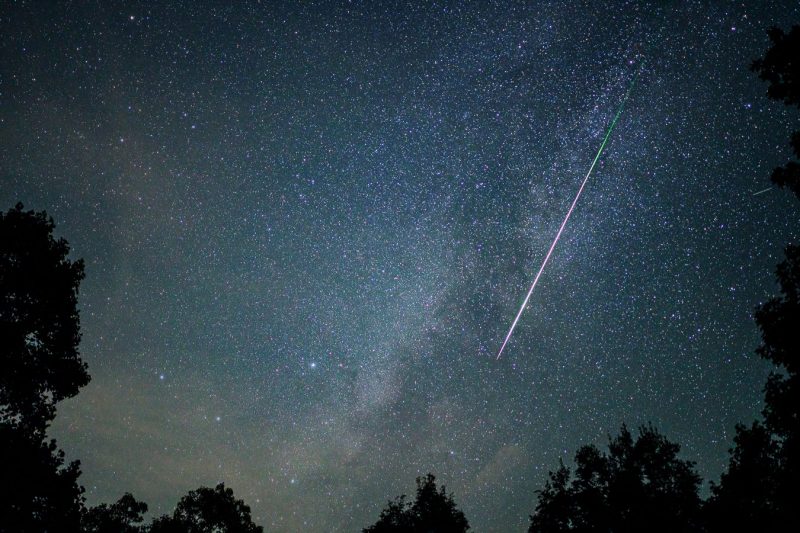
In the best years, the Quadrantids can produce up to 120 meteors per hour, making them one of the strongest showers of the year. Set your alarm for between 3:00 and 5:00 AM, bundle up, and look toward the handle of the Big Dipper to catch the show.
A slight challenge this year will be the Super Wolf Moon, shining brightly in the western sky during the peak hours. Named for the packs of wolves often heard howling during long winter nights, the first full Moon of 2026 is also the first of three supermoons this year. While its brilliance may wash out some of the fainter meteors, the Moon will serve as a celestial guidepost. Just a few degrees away, you’ll find Jupiter and the Gemini twins, Castor and Pollux, glowing nearby.
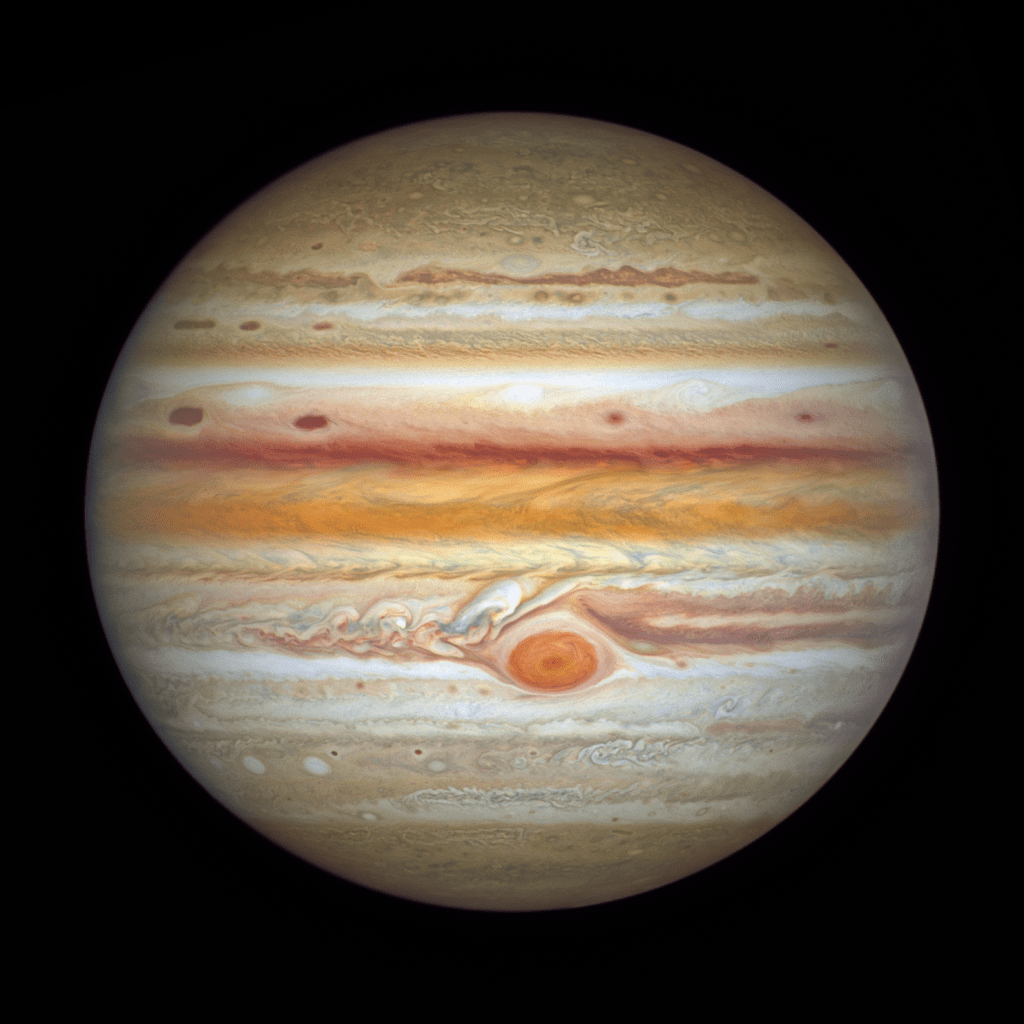
Jupiter steals the spotlight this month, reaching opposition on January 10th. Fully illuminated by the Sun and at its closest approach to Earth, the king of planets will shine at its brightest. With steady winter air often delivering excellent seeing conditions, even modest telescopes should reveal Jupiter’s cloud bands and its four Galilean moons dancing night after night.
Ancient cultures revered the start of the lunar cycle as a time for renewal and reflection. You can renew your own astronomical journey with the year’s first new moon on January 18th, ushering in the long, dark skies Northern Hemisphere observers wait all year to enjoy.

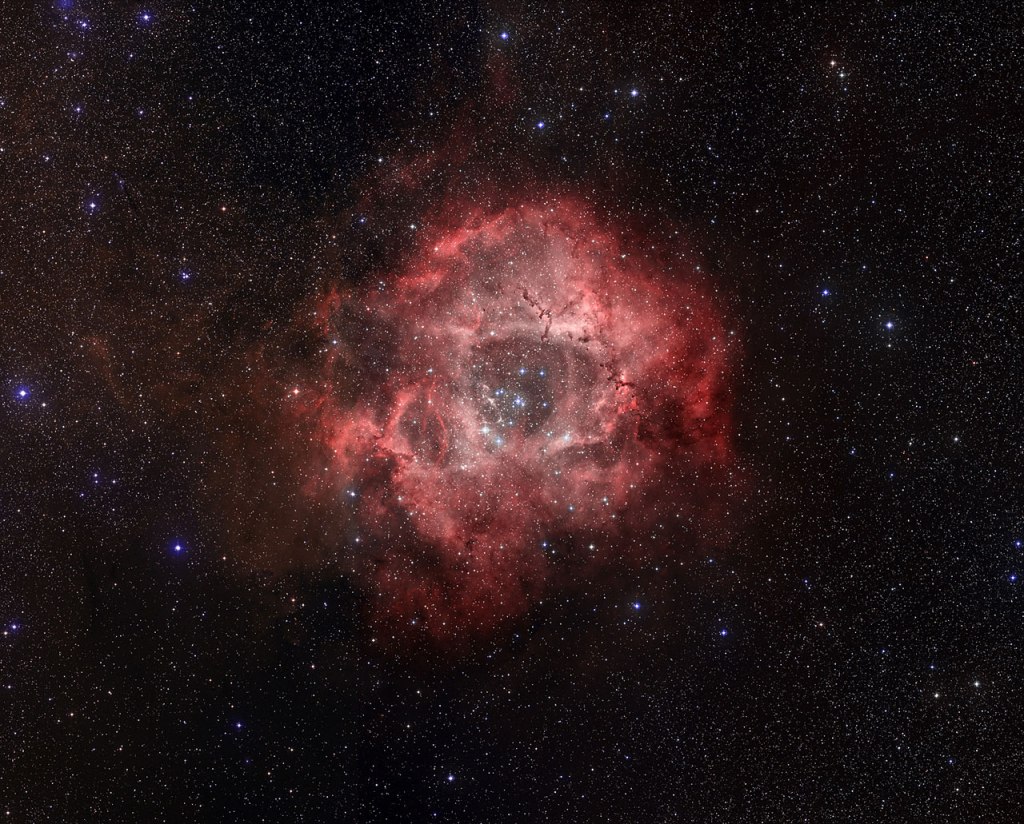
In the early evening, Saturn and Neptune appear close together in the southwestern sky, while by around 9:00 PM, Uranus flirts with the Pleiades near the zenith. Jupiter rises in the east, and the Orion Nebula is easily spotted just below the three bright stars of the Hunter’s Belt. Roughly halfway between Jupiter and Orion lies the Rosette Nebula, a vast molecular cloud forming the rosy nose of the constellation Monoceros the Unicorn. The surrounding region is rich with open clusters, making it an ideal night to practice a bit of star hopping across the winter constellations.
So bundle up, step outside, and look up this January. Crisp winter skies are a gift to astronomers—both seasoned observers and those just beginning their journey. Wishing you clear skies and happy viewing in the year ahead.
Adam England is the owner of a local financial services firm and moonlights as an amateur astronomer, writer, and interplanetary conquest consultant. Follow him on Instagram @TheBackyardAstronomerAZ and at www.ManzanitaInsuranceAndAccounting.com
 The Backyard Astronomer