
The ancients clearly had two things going for them: wonderfully dark skies and fantastic imaginations. It can often be difficult for the modern backyard astronomer to pick out constellations and imagine a Great Bear, a Hunter, or a horse with wings, just by connecting the twinkling dots in the sky. Light pollution certainly has an impact on our ability to decipher some of these celestial images, with brighter lights preventing us from seeing many of the dimmer stars in the sky. Some online tools can help one find relatively dark areas for astronomical viewing, such as lightpollutionmap.info, where one can see the major metropolitan areas of the Southwestern United States pockmarked against the more desolate (and DARK!) regions that may be just a short drive away. Even with our good fortune to live in a fairly dark area, some of those constellations can still be a challenge.

For this astronomer, Pegasus is one of these constellations. Usually depicted upside down between the neighboring Aquarius to the south and Andromeda to the North, and bordered by the two fish of Pisces to the East, I still have a difficult time coming to the same conclusion of a winged horse when I look to the South during the Fall. Alternatively, I can quickly pick out the four bright stars that form a near perfect square – the asterism oft referred to as the Great Square of Pegasus. Roughly outlining the body and wings of a sensational stallion, two white and one each red and blue stars denote the corners of this heavenly box, residing just above the ecliptic. You can follow the stars off the southern and western corners to envisage the head and front legs of this airborne equine. As you explore around the Great Square, there are a may dark sky objects you can find.
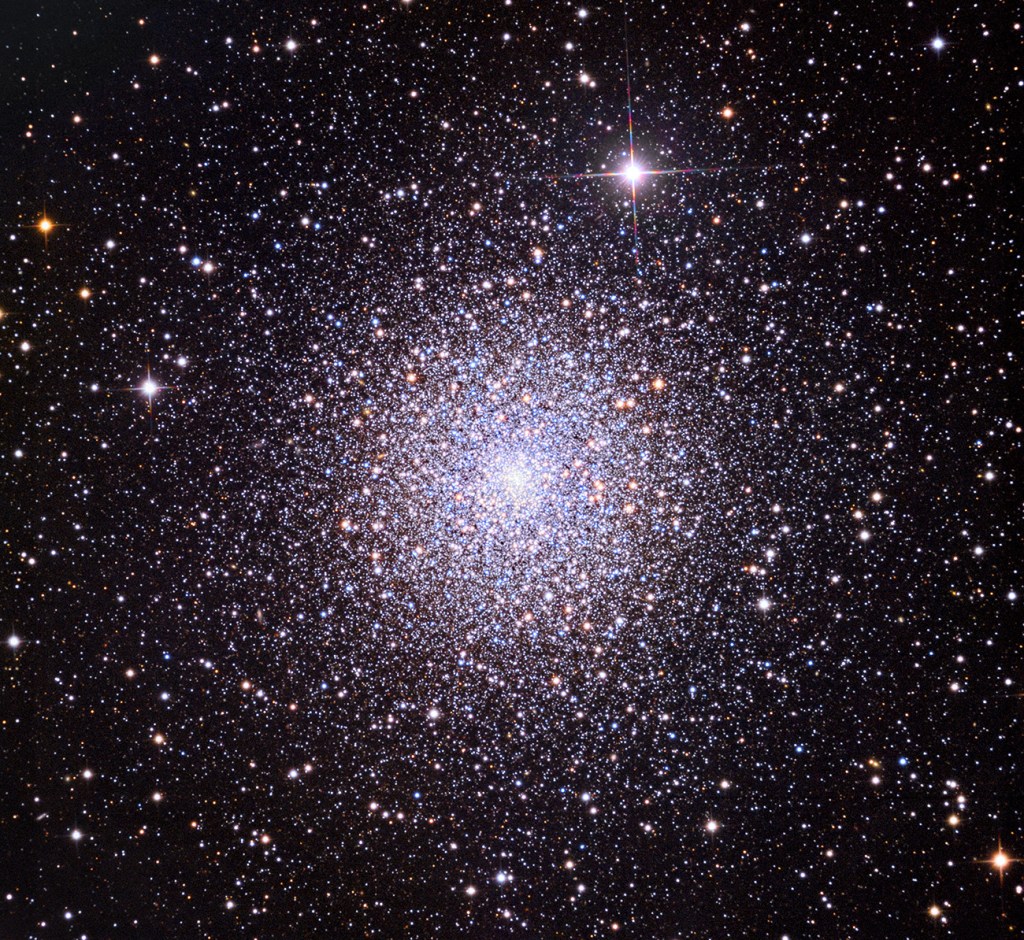
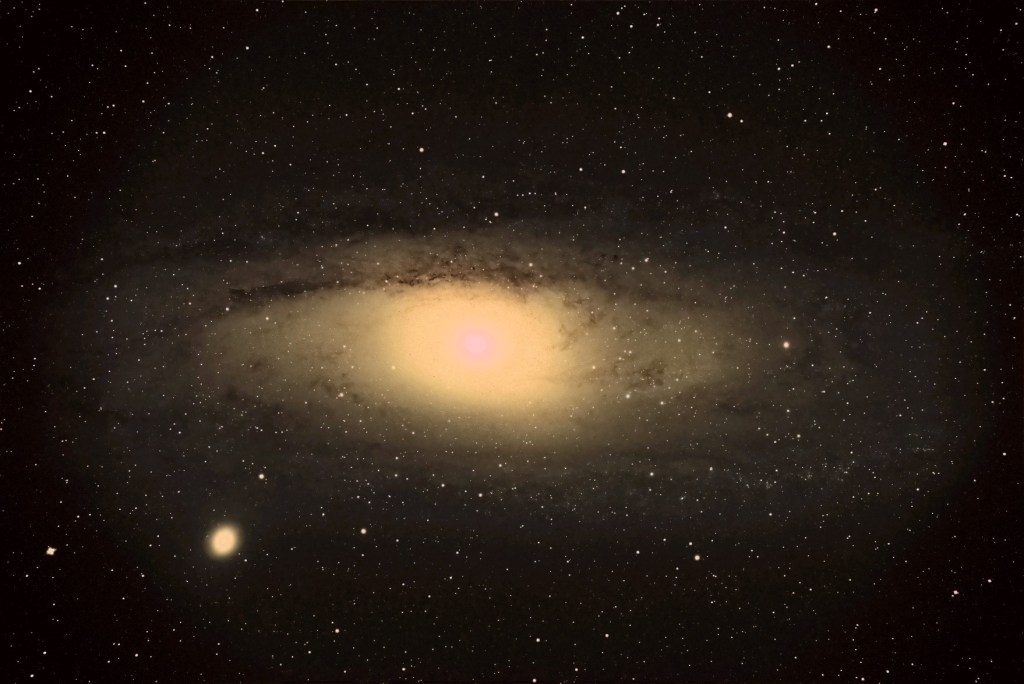
Moving to the Southwest of the Great Square is the red star Enif, marking the horse’s muzzle. Just to the west of this star is M15, a prime target for fans of globular clusters. Do you prefer galaxies? Look to the North of the bright white star Alpheratz, the top corner of the square, and you can find M31, the Andromeda Galaxy, the closest galaxy to our own Milky Way. You can also use the square to guide you to other objects, such as the Triangulum Galaxy. Draw a line between the top two stars in the sky, look approximately the same distance east, and you will find one of the only deep sky objects which – with dark skies and good vision – humans have been able to see with the naked eye for thousands of years, even if they did not yet know what it was.

 The Backyard Astronomer