
The “Dog Days of Summer” is an expression often used to define a seasonal period of stagnation or inactivity, usually brought on by long days and extreme heat. In the Arizona Central Highlands – similar to that experienced by our ancient predecessors in Greece and Rome – this time correlates with the beginning of the monsoon season, connected with heat and drought, but also sudden thunderstorms. While we may feel like spending this time laying in a backyard kiddie pool with our dog, the term has absolutely nothing to do with terrestrial canines, and everything to do with astronomy.
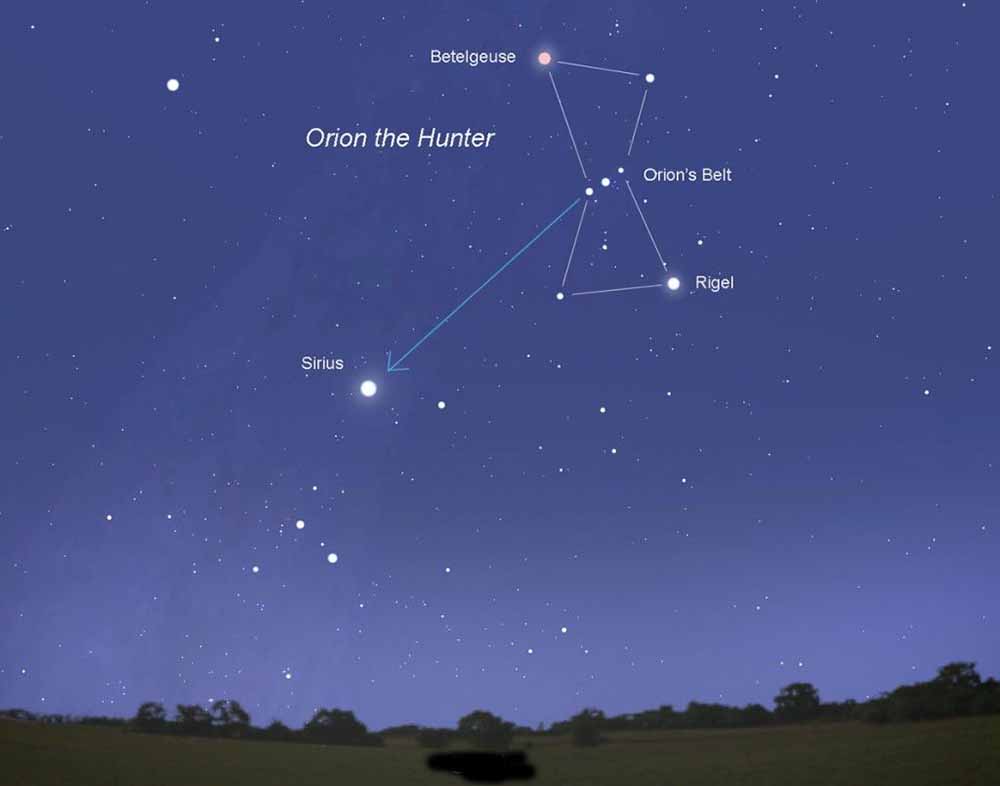
The three stars of Orion’s belt point almost directly to the bright star Sirius which, in ancient times, returned to view in the Northern hemisphere at the hottest phase of summer, and just prior to the annual flooding of the Nile River valley. Being not only the brightest star in the sky but also in its constellation Canis Major “The Greater Dog”, it was often referred to as the “Dog Star”. It is from this reference that we still call this time of year the “Dog Days of Summer”.

This year, we can experience the opposition of both Saturn and Jupiter during this time, as we reach closest approach to these gas giants on August 2nd and 19th, respectively. Just a few days on either side of the August 8th New Moon, this is the best opportunity of the year to view details of these planets and their natural satellites. With the Sun giving us the brightest illumination on these evenings, even small to medium sized telescopes can pick out the weather bands of Jupiter, ring divisions around Saturn, and a handful of moons around each. Specifically with Jupiter, watch over consecutive nights and sketch the locations of the four Galilean moons you see, documenting how they change position during their orbits from evening to evening.
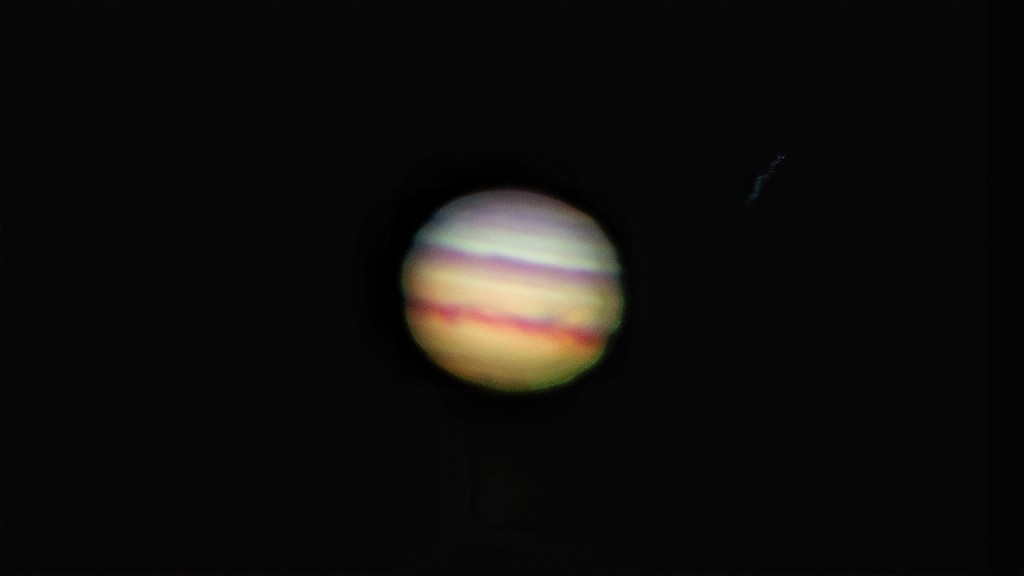
Join us the evening of August 7th at Pronghorn Park in Prescott Valley for the opportunity to view these and other objects in the night sky!
If you would like to learn more about the sky, telescopes, or socialize with other amateur astronomers, visit us at www.prescottastronomyclub.org or Facebook @PrescottAstronomyClub to find the next star party, Star Talk, or event.
 The Backyard Astronomer